Most homes contain small collections of objects that may not appear valuable at first glance. A faded photograph tucked inside a drawer. A handwritten note folded carefully between pages. A cup that has chipped edges but is never thrown away. These items often remain with us for years, quietly occupying space in our homes and lives.
We rarely keep them for practical reasons. Instead, we save them because they hold meaning.
At HayGood Manor, we believe that meaningful objects reveal something important about how people experience home. They are reminders of moments, relationships, and feelings that shaped us. What we choose to keep says as much about our memories as it does about our spaces.
Objects as Memory Holders
One of the main reasons we keep certain items is because they serve as memory anchors. Physical objects help us recall experiences more vividly than memory alone.
A small object can bring back an entire moment:
· A shell from a beach trip
· A ticket from a first concert
· A gift received on a special day
When we look at these items, we remember not only the event itself but also the emotions attached to it. The object becomes a bridge between the present and the past.
The Comfort of Tangible Memories
Memories live in the mind, but objects give them form. Holding something connected to a moment makes that experience feel more real and accessible.
For many people, meaningful objects create emotional comfort. They provide reassurance that certain experiences truly happened and that those connections still matter.
A scarf that belonged to a loved one, for example, may carry more emotional value than any new item ever could.
Objects That Represent Relationships
Many saved objects are connected to people rather than events. A letter from a friend, a gift from a family member, or something handmade often carries the presence of the person who gave it.
These items become symbols of relationships. Even when people move away, change, or pass on, the object continues to represent that connection.
Keeping these items allows relationships to remain part of daily life.
Why Meaningful Objects Are Hard to Let Go
Because these items hold emotional significance, letting go of them can feel like letting go of the memory itself. Even when we know an object is rarely used, the meaning attached to it makes it difficult to discard.
This is why people often keep small boxes, drawers, or shelves dedicated to personal items. These spaces allow memories to remain present without needing constant attention.
Saving objects becomes a way of honoring the past while continuing forward.
Balancing Meaning with Space
While meaningful objects are important, it is also helpful to maintain balance. Not every item needs to be saved in order to remember a moment.
Some people choose to keep only a few pieces that best represent a memory. Others rotate items seasonally or display them in small areas of the home.
The goal is not to eliminate meaning but to allow it to exist in a thoughtful and manageable way.
How Meaningful Objects Shape a Home
Homes that include personal objects often feel warmer and more authentic. Unlike purely decorative items, meaningful objects reflect real experiences and relationships.
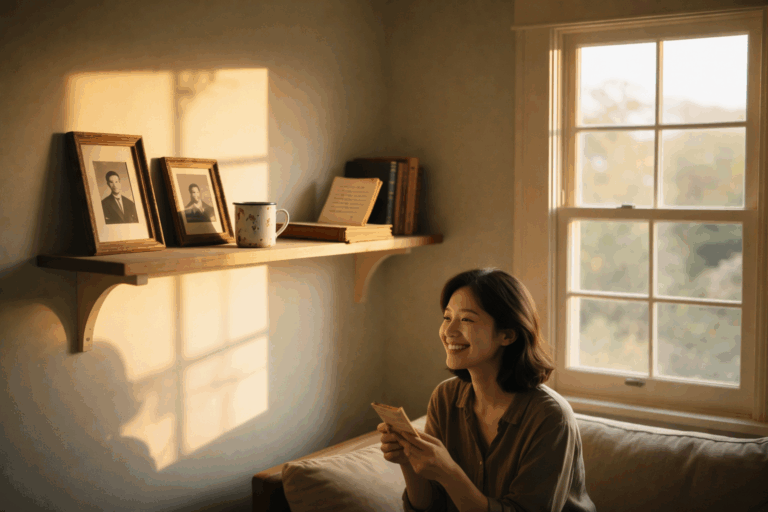
A framed photograph, a well-used book, or a small keepsake on a shelf adds personality to a space. Visitors may not know the story behind each item, but they often sense the emotional depth these objects bring to a home.
These pieces quietly communicate that the home has a history.
Conclusion
We save things not because they are expensive or useful, but because they represent moments that mattered. Meaningful objects help us remember where we have been, who has shaped our lives, and what experiences continue to hold value.
At HayGood Manor, we believe that the objects people keep tell an honest story about the lives lived within a home. They remind us that memory is not only something we carry in our minds – it is something we preserve in the spaces around us.
Sometimes the smallest objects carry the largest meanings, quietly connecting the past to the present in ways words cannot fully explain.