A home is more than a collection of rooms. It is a landscape of experiences – a place where each space holds its own mood, memory, and meaning. Just as a map shows physical geography, a home reveals an emotional geography: the quiet ways different rooms shape how we feel, behave, and connect.
At HayGood Manor, we believe that homes are not only designed with walls and furniture, but with feeling. Each room carries a subtle influence. Some invite conversation, others encourage rest, and a few hold silence more deeply than words.
Rooms Carry Different Emotional Energies
Not all rooms feel the same, even if they are similar in size or design. A kitchen often feels active and alive. A bedroom feels soft and private. A hallway may feel transitional, while a corner nook might feel deeply personal.
These differences are not accidental. They are shaped by how the space is used over time. Repetition builds emotional association. The more a room is used for a particular purpose, the more it begins to hold that feeling.
The Kitchen: Warmth and Movement
The kitchen is often the most active emotional space in a home. It carries the rhythm of daily life – meals being prepared, conversations unfolding, small moments of connection happening without effort.
It is rarely silent. Even when no one is speaking, there is movement, sound, and energy.
Because of this, kitchens often feel grounding. They represent nourishment, care, and routine. They are spaces where life continues, no matter what else is happening.
The Living Room: Shared Presence
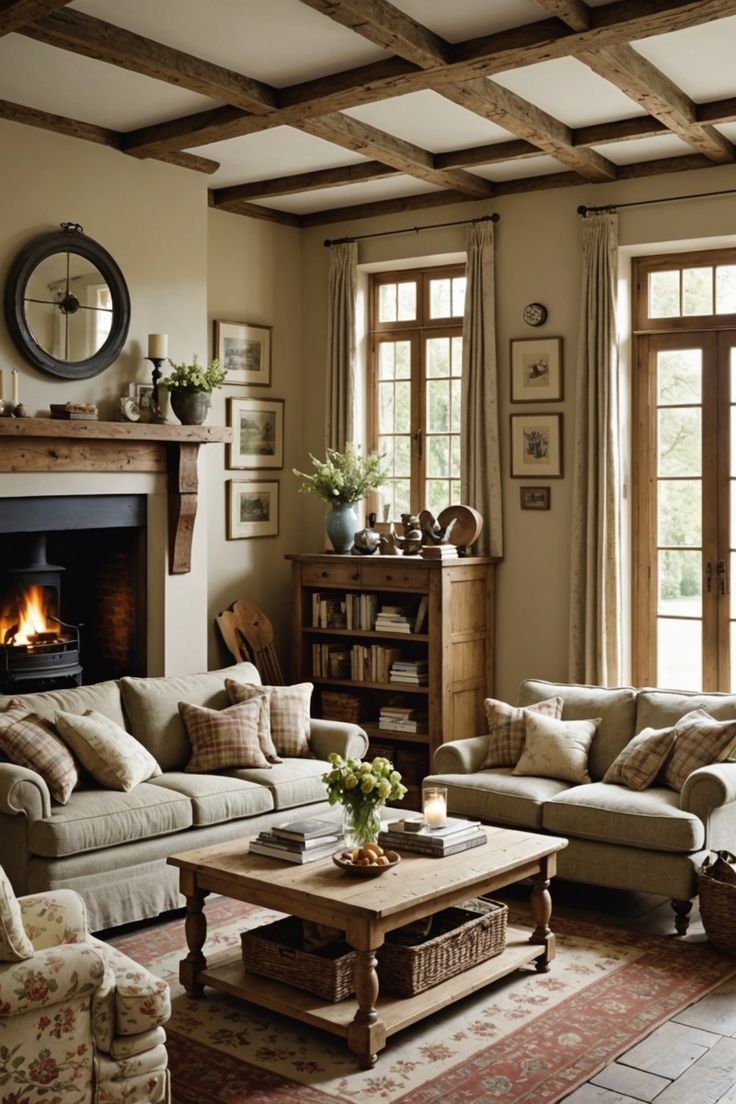
The living room is where people come together. It holds conversation, laughter, and sometimes quiet companionship.
Unlike the kitchen, it is less about activity and more about presence. Sitting together, even without speaking, creates a sense of connection.
The arrangement of seating, the openness of the space, and the way people gather all shape how this room feels. A welcoming living room encourages people to stay.
The Bedroom: Rest and Privacy
Bedrooms carry a different kind of emotional weight. They are spaces of rest, but also of vulnerability.
This is where the day begins and ends. It is where people are most themselves – away from expectations and roles.
Because of this, bedrooms often feel deeply personal. They hold quiet thoughts, rest, and emotional release. The atmosphere here needs to feel safe, soft, and undemanding.
The Quiet Corners: Reflection and Memory
Every home has small spaces that are not defined by function – a chair by a window, a corner near a shelf, a spot where light falls gently.
These areas often become places of reflection. They are where people pause, think, or simply sit.
Over time, these corners hold memory in a quiet way. They are not meant to be seen by everyone, but they carry meaning for those who use them.
Hallways and Transitions
Even spaces that are not meant for staying – like hallways – play a role in the emotional geography of a home.
They connect rooms. They guide movement. They create transitions between different states – from activity to rest, from public to private.
Though often overlooked, these spaces influence how smoothly a home feels.
How Layout Shapes Feeling
The way rooms are arranged also affects emotion.
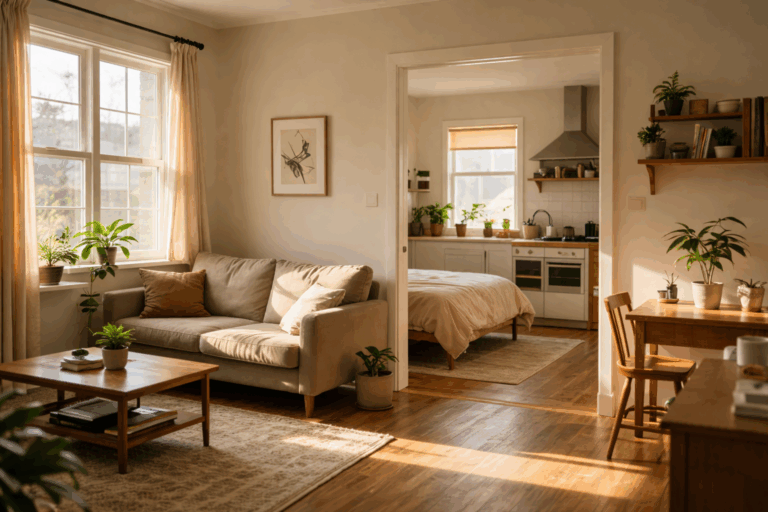
Open layouts encourage connection and shared experience.
Closed spaces offer privacy and quiet.
Natural light creates openness.
Soft lighting creates calm.
These elements work together to shape how people move through and experience the home.
Homes Changes as We Do
The emotional geography of a home is not fixed. It evolves over time.
A room once filled with activity may become quiet. A corner once unused may become important. As life changes, the meaning of each space shifts.
This is what makes a home feel alive – it grows with the people in it.
Conclusion
A home is not just a place we live in – it is a place that shapes how we feel, often without us realizing it. Each room carries its own emotional tone, created through use, memory, and presence.
At HayGood Manor, we believe that understanding this emotional geography allows us to create homes that truly support us – spaces that offer warmth, rest, connection, and reflection in the moments we need them most.
Because in the end, a home is not defined by its layout alone, but by the feelings it holds in every room.