There are certain flavors that never really leave us. No matter how much time passes, they remain somewhere just beneath the surface, waiting for the right moment to return. One taste, one familiar combination, and suddenly you are no longer where you are – you are back in a childhood kitchen, sitting at a table, or standing beside someone who once cooked for you.
Taste has quiet power. It doesn’t ask permission. It doesn’t need explanation. It simply brings memories back, whole and vivid.
At HayGood Manor, we believe that food is one of the deepest ways we stay connected to where we come from. The flavors we grow up with shape not only our preferences, but also our sense of comfort, belonging, and home.
Why Childhood Flavors Stay with Us
Childhood is where many of our first sensory experiences are formed. The meals we ate, the snacks we looked forward to, the dishes prepared on special days – all of these become part of our emotional memory.
These flavors are not just about ingredients. They are about:
· Who prepared the food
· When it was eaten
· How it made us feel
A simple dish can carry layers of memory. A sweet taste might recall celebration. A warm meal might bring back care during illness. A familiar spice blend might remind us of everyday routines.
Taste becomes a language of memory.
The Role of Repetition
Many childhood foods were repeated often. The same breakfast every morning. The same dish made every Sunday. The same treat given after school.
This repetition creates strong emotional associations. Over time, these foods become predictable, reliable, and comforting.
As adults, we often return to these same flavors – not because they are extraordinary, but because they feel safe and known.
Simple Foods, Strong Memories
Interestingly, the food that bring back the strongest memories are often the simplest ones.
Warm rice with a touch of butter.
A slice of bread with sugar or jam.
Homemade snacks shared after school.
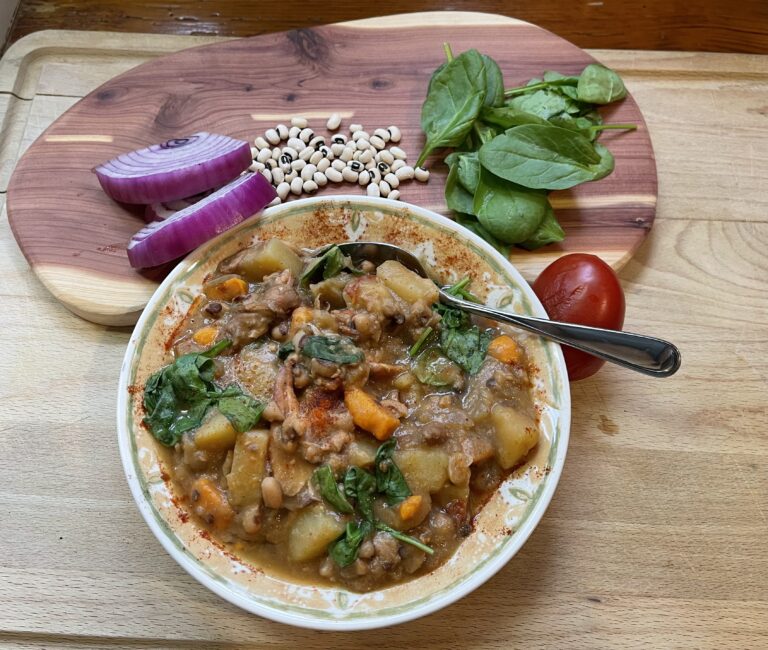
A bowl of something cooked slowly and served with care.
These meals may not seem special to others, but to us, they carry meaning. They remind us of a time when life was slower, and care was expressed in quiet, everyday ways.
Flavors That Carry Emotion
Taste is closely linked to emotion. Certain flavors can instantly shift how we feel.
Sweetness can bring comfort.
Warm spices can create a sense of safety.
Fresh flavors can feel uplifting.
When we revisit childhood foods, we are not just remembering – we are feeling again. The emotions return along with the taste.
Recreating Childhood Through Food
Trying to recreate a childhood dish is often less about accuracy and more about intention.
You may not remember the exact recipe.
The ingredients may be slightly different.
The result may not taste exactly the same.
Yet something familiar still emerges. The process itself brings back memory. The act of cooking becomes a way of reconnecting.
Sometimes, it’s not the taste that matters most – it’s the feeling it brings.
Passing Flavors Forward
Childhood flavors don’t stay in the past. They move forward with us.
When we cook these dishes for others – for family, for children, for friends – we pass on a piece of our own story. New memories begin to form around the same flavors.
What once comforted us begins to comfort someone else. This is how food carries continuity across generations.
Conclusion
Taste memories are some of the most powerful reminders of where we began. They bring back people, places, and feelings that shaped us in quiet but lasting ways.
At HayGood Manor, we celebrate the flavors that stay with us – the ones that don’t need explanation, the ones that return without effort, the ones that still feel like home.
Because sometimes, all it takes is one familiar taste to remind you that the past is never truly gone. It lives on – in the food you remember, the meals you recreate, and the comfort you carry forward.