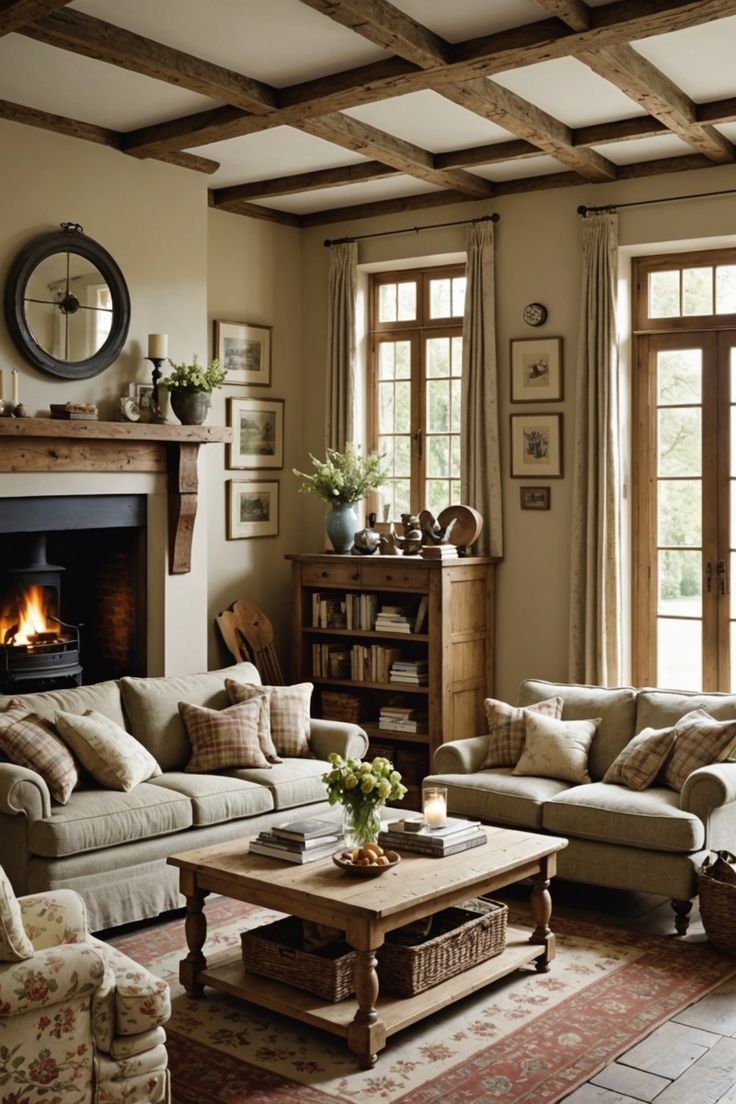
Every home has certain objects that seem to remain untouched by time. They may not be expensive, stylish, or even particularly useful, yet they stay. A worm chair in the corner, an old clock that no longer works, a faded photograph on a shelf, or a chipped cup that no one is willing to throw away – these things continue to hold their place.
They are not kept for practically. They are kept because they mean something.
At HayGood Manor, we believe that the objects that stay are often the ones that tell the truest story of a home. They carry memory, emotion, and a quiet sense of continuity that newer things cannot replace. They remind us that a home is not only built through design, but through attachment.
More Than Just Possessions
Some objects move beyond their practical purpose and become emotional markers.
A table is no longer just a table.
A lamp is no longer only for light.
A blanket becomes more than fabric.
These objects begin to represent moments, people, and periods of life. Their value shifts from usefulness to meaning. Even when they are no longer needed in a practical sense, removing them can feel like removing part of the story itself
Memory Lives in Objects
Physical objects help memory feel tangible.
A handwritten recipe card may bring back a grandmother’s kitchen.
An old radio may remind someone of slow Sunday mornings.
A worn suitcase may hold memories of journeys and beginnings.
These items act as quiet memory holders. They make the past feel closer and more real. Sometimes, we keep objects not because we use them, but because they help us remember who we were.
Comfort in Familiar Presence
There is comfort in things that stay the same.
An object that has been in the same place for years creates a sense of stability. It becomes part of the emotional landscape of the home.
You expect to see it.
You notice when it is missing.
Its presence is reassuring, even if you rarely think about it directly. Familiar objects create continuity – and continuity makes a space feel safe.
The Presence of People Through Things
Many lasting objects are connected to people.
A chair someone always sat in.
A watch passed down through generations.
A teacup used every afternoon by someone no longer there.
These objects carry presence. They allow people to remain part of the home even in absence. Keeping them is often less about sentimentality and more about connection. It is a quiet way of saying: this mattered and still does.
Why Letting Go Feels Difficult
People often feel guilty for keeping too much, but some objects resist being categorized as clutter.
They hold emotional weight, and that weight cannot be measured by size or usefulness.
Letting go of them may feel like letting go of memory, history, or identity. Even when we know we no longer need the item, the meaning attached to it makes the decision more complex. This is why decluttering is never only about space – it is also about emotion.
Choosing What Deserves to Stay
Not everything needs to be kept forever. But the objects that remain should feel intentional. Ask:
· Does this object hold memory?
· Does it reflect a part of the home’s story
· Does its presence bring comfort rather than heaviness?
Meaningful objects should not create burden. They should create belonging. The goal is not to keep everything, but to honor what truly matters.
How These Objects Shape a Home
Homes with meaningful objects feel different. They feel lived in, layered, and personal.
A home filled only with new things may look complete, but a home with objects that stay feels rooted. It reflects history, relationships, and emotional depth.
Visitors may not know the story behind every item, but they often sense the warmth that these pieces bring. These are the details that make a house feel like someone’s home.
Conclusion
The objects that stay are rarely the most valuable in money, but they are often the richest in meaning. They hold memory, presence, and a sense of continuity that helps a home feel real.
At HayGood Manor, we believe that meaningful homes are shaped by more than design. They are shaped by the quiet objects that remain – the ones that carry stories, preserve connection, and remind us of where we have been.
Because sometimes, the smallest things are the ones we cannot imagine living without.