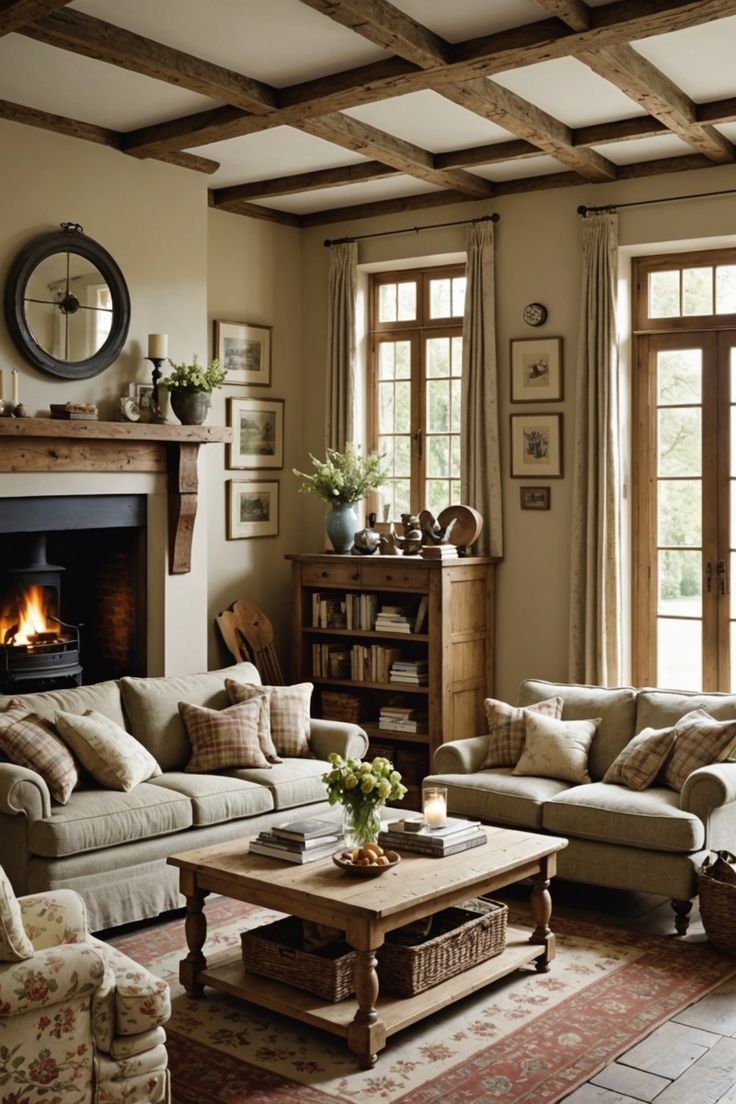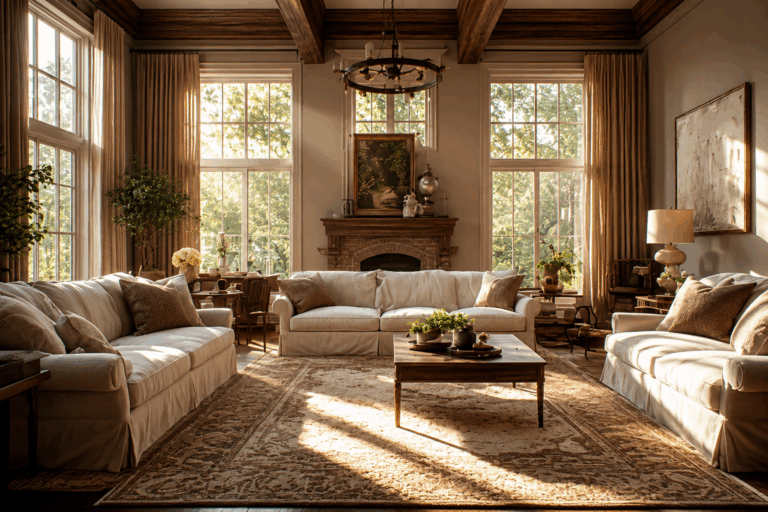
A room is not shaped only by what we place inside it. Long before furniture is arranged or décor is chosen, sunlight has already begun its work – quietly defining the mood, the openness, and the character of the space.
Light is not static. It moves, softens, brightens, and fades throughout the day, changing how a room feels without altering a single object. When we begin to notice this, we understand that sunlight is not just part of a room – it is part of its design.
At HayGood Manor, we believe that when light is allowed to guide a space, the result feels more natural, more balanced, and more alive.
Why Sunlight Matters
Sunlight influences both the visual and emotional experience of a room in subtle but powerful ways.
· It changes how colors appear
· It affects the sense of openness
· It shapes mood and energy
· It brings a natural sense of movement
A space filled with natural light often feels welcoming without needing additional effort. It creates an atmosphere that feels effortless rather than constructed.
Understanding the Natural Light Pattern
Every room receives light differently, and this pattern shapes how the space should be used.
· Morning light feels soft and refreshing, ideal for quiet beginnings
· Afternoon light is brighter and more active, suited for work or movement
· Evening light is warm and calming, encouraging rest
· Low-light areas offer stillness and privacy
Instead of trying to change these qualities, observing them allows the room to function in a way that feels natural and comfortable.
Letting Light Guide the Layout
Design often begins with furniture placement, but when light leads the process, the room feels more intuitive.
· Place seating where sunlight falls gently
· Keep bright areas open and uncluttered
· Use shaded spaces for rest or quiet activities
· Position daily-use areas near natural light
When placement follows light, the room feels less arranged and more organic, as though it has settled into its natural form.
Enhancing Light Through Materials
The way light interacts with surfaces can completely change the atmosphere of a space.
· Light-colored walls reflect brightness and create openness
· Soft fabrics diffuse light, making it feel gentle
· Natural materials like wood add warmth and depth
· Reflective surfaces help extend light into darker corners
These choices do not create light – they support it, allowing it to move more freely through the room.
Allowing Light to Move
Sunlight is constantly shifting, and this movement adds life to a space.
· Keep windows as open as possible
· Use light curtains instead of heavy ones
· Avoid blocking natural light pathways
· Let sunlight reach different parts of the room throughout the day
This natural movement creates variation and rhythm, making the space feel dynamic without needing change.
Creating Mood with Light
Light naturally creates different emotional tones within a room.
· Bright light brings energy and clarity
· Soft light encourages calm
· Warm tones create comfort and relaxation
By aligning activities with these moods, the room begins to support daily life more naturally.
Adapting to Seasonal Changes
Sunlight changes with the seasons, and this shift adds a subtle transformation to the home.
· Summer light feels longer and brighter
· Winter light feels softer and more enclosed
· Angels of light shift, changing how rooms are experienced
Allowing these changes to exist keeps the home connected to time and nature, rather than fixed in one state.
Conclusion
Sunlight is one of the most powerful yet understated elements of design. It shapes how a room feels, how it functions, and how it changes over time.
At HayGood Manor, we believe that when light is allowed to lead, a room becomes more than arranged – it becomes responsive, alive and deeply connected to its surroundings.
Because in the end, a well-designed space is not only about what you place within it – but about how light enters, moves, and quietly tells its story.