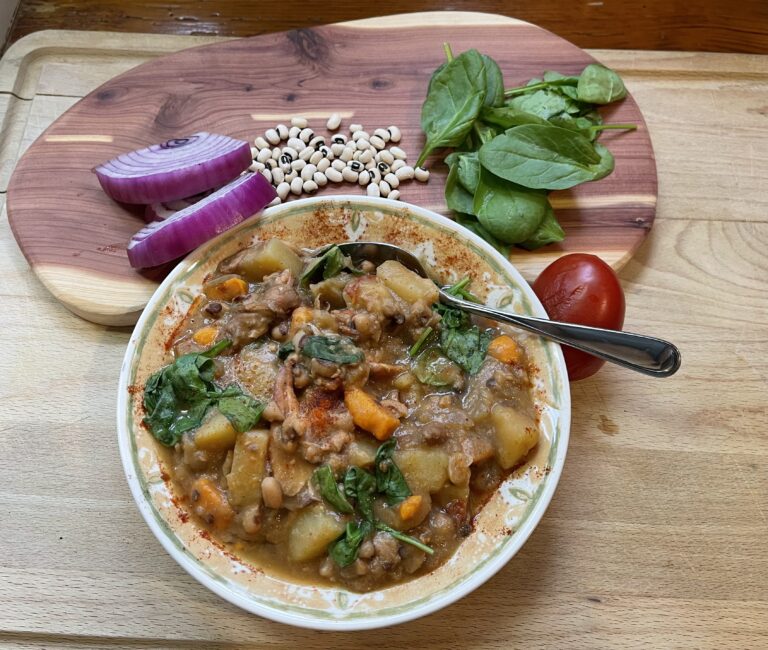
Not every meaningful meal is memorable because of how it looks. Some stay with us for entirely different reasons – how they felt, how often they appeared, and how naturally they fit into daily life.
While elaborate meals are often associated with effort and occasion, simple meals carry a different kind of value. They are consistent, familiar, and quietly present.
At HayGood Manor, we believe that meaning in food is not created through complexity, but through repetition, ease, and everyday care.
Familiarity Creates Comfort
Simple meals are usually the ones we eat most often. Over time, they become familiar – not just in taste, but in feeling.
You don’t have to think about them.
You don’t have to adjust to them.
You simply accept them.
This familiarity creates a sense of ease. The mind doesn’t need to adjust or evaluate – it simply settles. Over time, these meals begin to feel reassuring, especially during busy or uncertain days. A familiar meal can feel like returning to something stable, something unchanged.
Less Focus on Perfection
Fancy meals often come with expectations – how they should look, taste, and be presented. This can create a sense of pressure, both while preparing and while serving.
Simple meals remove that pressure.
They don’t need to be perfect.
They don’t need to impress.
They only need to be enough.
This shift changes the experience of eating. It becomes more natural and less performative.
Everyday Presence Builds Meaning
Meaning is not always through special occasions. Often, it develops through repetition.
Simple meals appear regularly:
· At the same time of day
· In the same setting
· With the same people
Because of this, they become part of daily life. Over time, they are associated with routine, stability, and continuity. This repeated presence gives them emotional weight.
More Space for Connection
When a meal is simple, it does not demand full attention. This creates space – not just physically, but emotionally.
People talk more freely.
Conversations feel less formal.
Silence becomes comfortable instead of awkward.
The focus shifts naturally from the food to the people around the table. The meal becomes a support for connection rather than the center of attention.
Ease in Preparation and Sharing
Simple meals are easier to prepare, which changes how they are made and shared.
There is less stress in the process.
Less concern about outcome.
More willingness to cook regularly.
This ease makes food more accessible and more consistent. It becomes something that fits naturally into life, rather than something that requires planning.
Why Simplicity Feels Grounding
Simple food reflects a home where things are steady and manageable. It creates a sense of normalcy – something that does not change even when other parts of life do.
This grounding effect is often what makes these meals feel more meaningful. They are not tied to a single moment, but to many moments over time.
Conclusion
Simple meals may not stand out at first, but they stay with us longer. Their meaning comes from familiarity, repetition, and the quiet role they play in everyday life.
At HayGood Maor, we believe that the most meaningful experiences are often the ones that happen without effort. Simple meals are one of those experiences – consistent, reliable, and deeply connected to the rhythm of home.
Because in the end, it is not always the most elaborate meals that matter most – but the ones that quietly become part of who we are