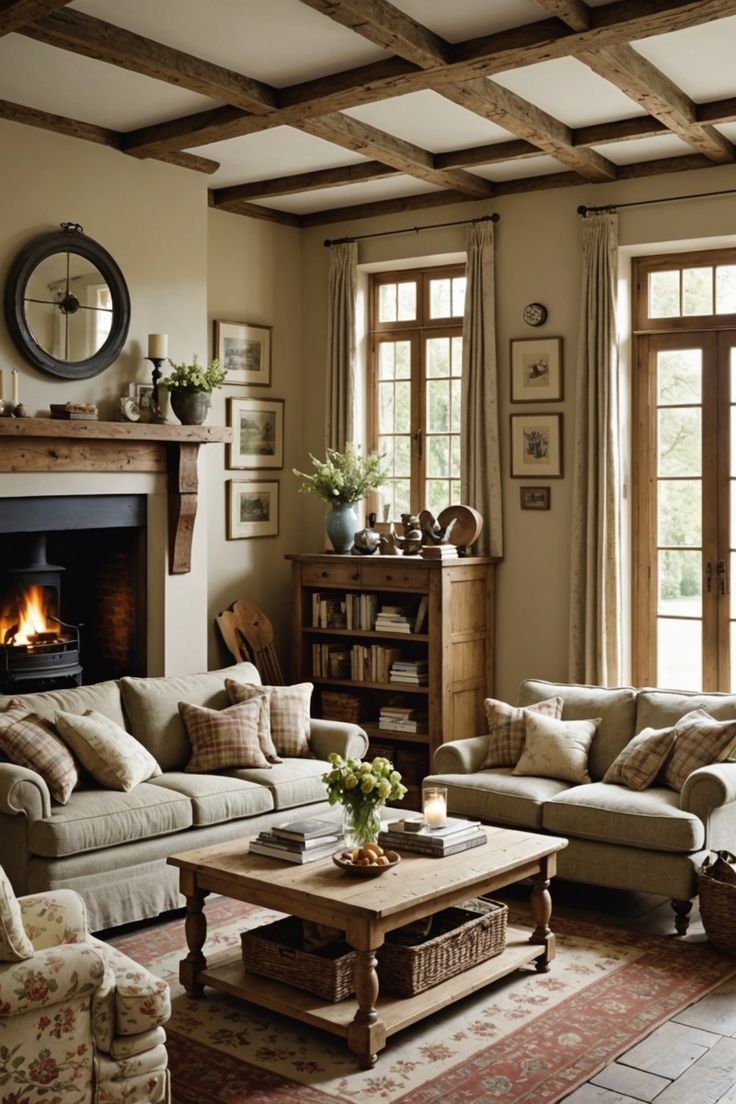
Every home has its own rhythm – a way of moving, speaking, and existing that feels natural to those who live within it. These patterns are rarely written down or explained, yet they are understood by everyone. They guide behaviour, shape relationships, and create a quiet sense of order.
These are the unspoken rules of a home.
At HayGood Manor, we believe that what truly defines a home is not just what is seen, but what is silently followed. These small, unwritten agreements form the emotional structure of family life, creating comfort, familiarity, and belonging without ever needing to be announced.
The Rules We Learn Without Being Told
From a young age, we begin to understand how a home works – not through instruction, but through observation.
We learn:
· When to speak and when to stay quiet
· Where things belong
· How spaces are used
· What is expected at certain times of day
No one sits down to explain these rules. They are absorbed through repetition, through watching others, through simply being part of the environment. Over time, these patterns become second nature.
Routines That Shape Daily Life
Unspoken rules often appear as routines.
Meals happen at certain times.
Shoes are left in familiar places.
Lights are turned off in a particular order.
These habits create rhythm. They give structure to the day without making it feel rigid. Even small actions – like how a table is set or how a room is left at night – become part of the home’s identity.
When these routines are followed, the home feels balanced. When they are disrupted, the change is immediately felt.
Shared Spaces, Shared Understanding
Living together requires a quiet agreement about how space is shared.
Who sits where.
Which areas are for gathering.
Which spaces remain private.
These understandings are rarely spoken, yet they are respected. They allow people to move through the home without conflict, creating a sense of ease and flow. This silent coordination is what makes a home feel harmonious rather than crowded.
Emotional Rules We Carry
Beyond physical routines, every home carries emotional rules.
Some homes encourage open conversation.
Others value quiet presence.
Some express care through words, others through actions.
These emotional patterns shape how family members relate to one another. They influence how comfort is offered, how conflict is handled, and how connection is maintained. Even without words, these rules are deeply felt.
The Comfort of Familiar Patterns
Unspoken rules create predictability – and predictability brings comfort.
Knowing what to expect allows people to relax. It reduces uncertainty and creates a sense of safety. The home becomes a place where things make sense, where behaviour feels understood, and where one can exist without needing to constantly adjust.
This familiarity is one of the quiet reasons a home feels like home.
How These Rules Evolve Over Time
Unspoken rules are not fixed. They change as people grow, as routines shift, and as life moves forward.
A once-busy home may become quieter.
Shared meals may become less frequent.
Spaces may take on new meanings.
Yet even as they evolve, the underlying sense of understanding remains. The home adapts while still holding onto its core rhythm.
Passing These Rules Forward
When we move into new homes or create homes of our own, we often carry these unspoken rules with us.
We recreate familiar routines.
We arrange spaces in ways that feel natural.
We repeat patterns we once lived within.
In doing so, we continue the quiet legacy of home – shaping new environments with the same sense of care and familiarity.
Conclusion
The unspoken rules of a home are what make it feel lived in, understood, and deeply personal. They exist beneath the surface, guiding everyday life in ways that are subtle but powerful.
At HayGood Manor, we believe that these quiet patterns are what truly define a home. They create a sense of belonging that cannot be designed or purchased – only lived.
Because in the end, a home is not just a place where people live together – it is a place where they move together, understand each other, and follow a rhythm that needs no explanation.