In Southern homes, hospitality is not an accessory. It is not something added at the end through décor or presentation. It is something built quietly, layer by layer, into the very way a home functions and feels. Long before guests arrive, the house already knows how to welcome them.
This is what we mean by emotional architecture – the unseen structure that shapes how a home makes people feel. While walls and roofs provide shelter, emotional architecture provides comfort, ease, and belonging. And in Southern homes especially, hospitality is not purchased or styled; it is practiced, repeated, and lived into the space.
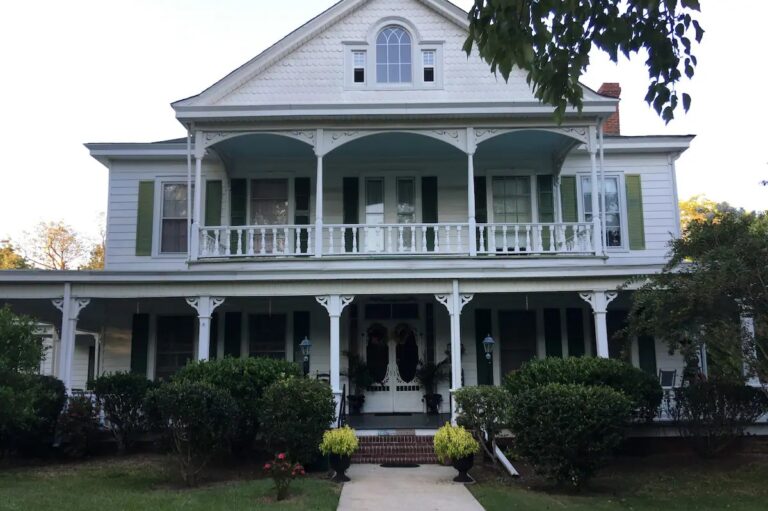
At HayGood Manor, we believe that true hospitality is not about impressing others. It is about making people feel at home.
Hospitality Begins with How a Home Is Used
Southern homes are often designed with people in mind first, not appearances. Rooms are arranged to invite gathering. Kitchens are placed where conversation naturally happens. Dining tables are sized to hold more than the immediate family.
This kind of hospitality is built through use. Chairs are pulled close. Extra places are made without hesitation. Spaces adapt to people, not the other way around.
A home that welcomes easily is one that has been shaped by habit, not intention alone.
The Importance of Flow and Openness
In many Southern homes, there is a natural flow from one space to another. Doors are often open. Transitions between rooms feel gentle rather than rigid. This openness sends a quiet message: you are free to move, to settle, to stay.
Hospitality thrives in spaces where people don’t feel restricted. When rooms feel connected, conversations continue easily. Guests don’t feel confined to one area; they feel included in the rhythm of the home.
This flow is not accidental. It develops over time, shaped by daily living and shared moments.
Comfort Over Perfection
Southern hospitality has never been about flawless presentation. It values comfort over polish.
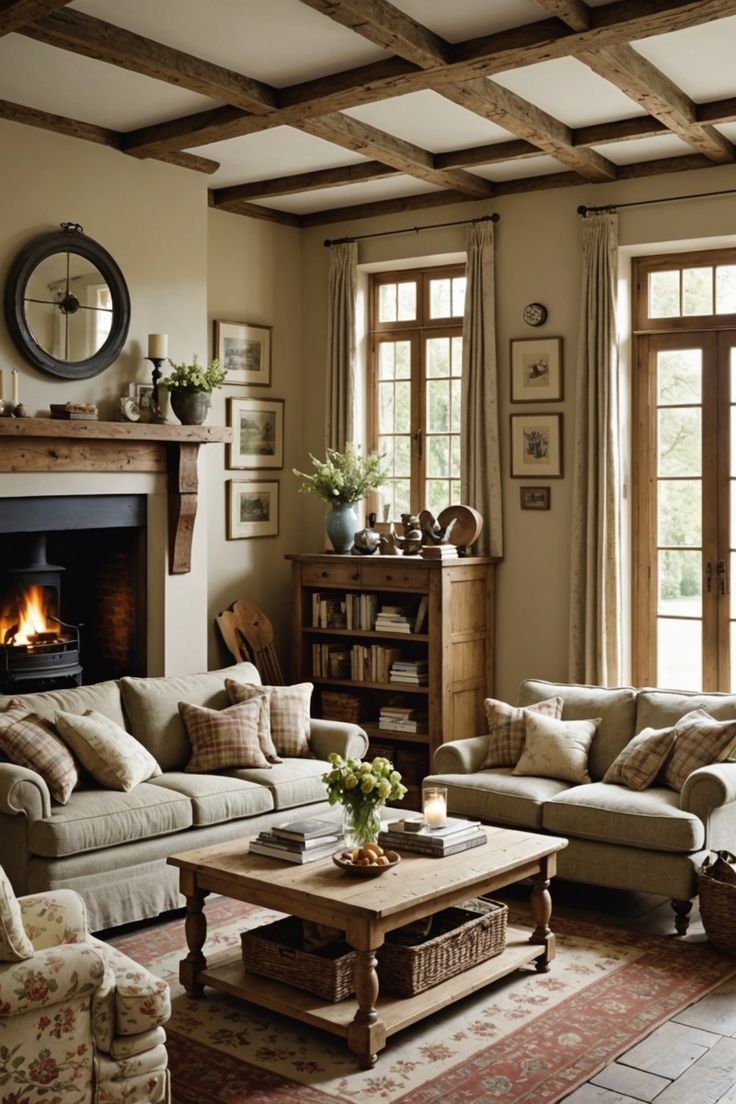
Furniture is chosen to be sat on, not admired from a distance. Sofas soften with time. Floors show wear. Kitchens carry the marks of frequent use. These signs of life are not hidden; they are accepted.
A home that prioritizes comfort allows people to relax. Guests sense immediately that they are not being evaluated – they are being welcomed.
This is emotional architecture at work: creating safety without saying a word.
The Role of Routine and Ritual
Hospitality is reinforced through repetition. Morning coffee offered without asking. Meals shared at familiar times. Evenings that slow down naturally.
These routines teach the home how to hold people. Over time, the house begins to feel predictable in the best way – steady, dependable, and warm.
When guests enter such a home, they feel the rhythm even if they don’t know the routine. The space feels settled, not staged.
Kitchens as the Heart of Hospitality
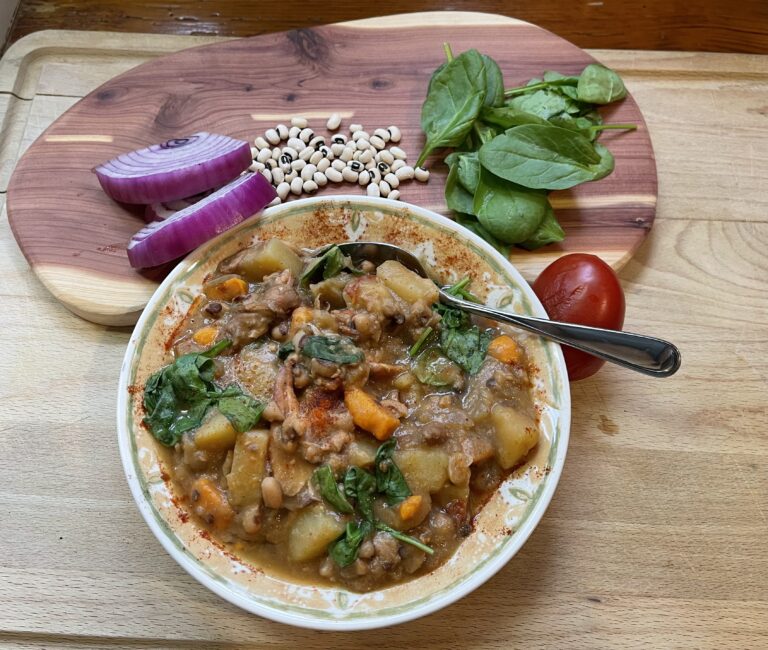
In Southern homes, the kitchen is rarely hidden. It is central – emotionally if not physically. Food is offered freely. Guests are invited to linger, talk, and help themselves.
The kitchen’s openness reflects a deeper truth: hospitality is about sharing, not serving. When guests are made comfortable enough to open a cabinet or pour a drink, they stop feeling like visitors and start feeling like family.
That sense of ease cannot be bought. It is built through trust and familiarity.
Memory as a Structural Element
Southern homes often carry memory visibly. Hand-me-down furniture. Worn tables. Family photographs. Objects that have stayed through decades.
These memories anchor the space. They create continuity and emotional depth. Guests may not know the stories, but they feel them.
A home rich in memory feels lived-in, not curated. That feeling is what allows hospitality to feel genuine rather than performative.
Why Hospitality Cannot Be Bought
You can buy furniture. You can buy décor. You can even buy space. But you cannot buy the feeling of being truly welcomed.
Hospitality grows from how a home is lived in – from generosity practiced daily, from rooms shaped by presence, from habits that prioritize people over things.
It is built through time, attention, and care.
Conclusion
The emotional architecture of Southern homes reminds us that hospitality is not a trend or a feature. It is a way of living that slowly shapes space from the inside out.
At HayGood Manor, we celebrate homes where warmth is felt before words are spoken, where comfort is offered without effort, and where hospitality is built into the bones of everyday life.
Because the most welcoming homes are not the most beautiful ones – they are the ones that know how to hold people well