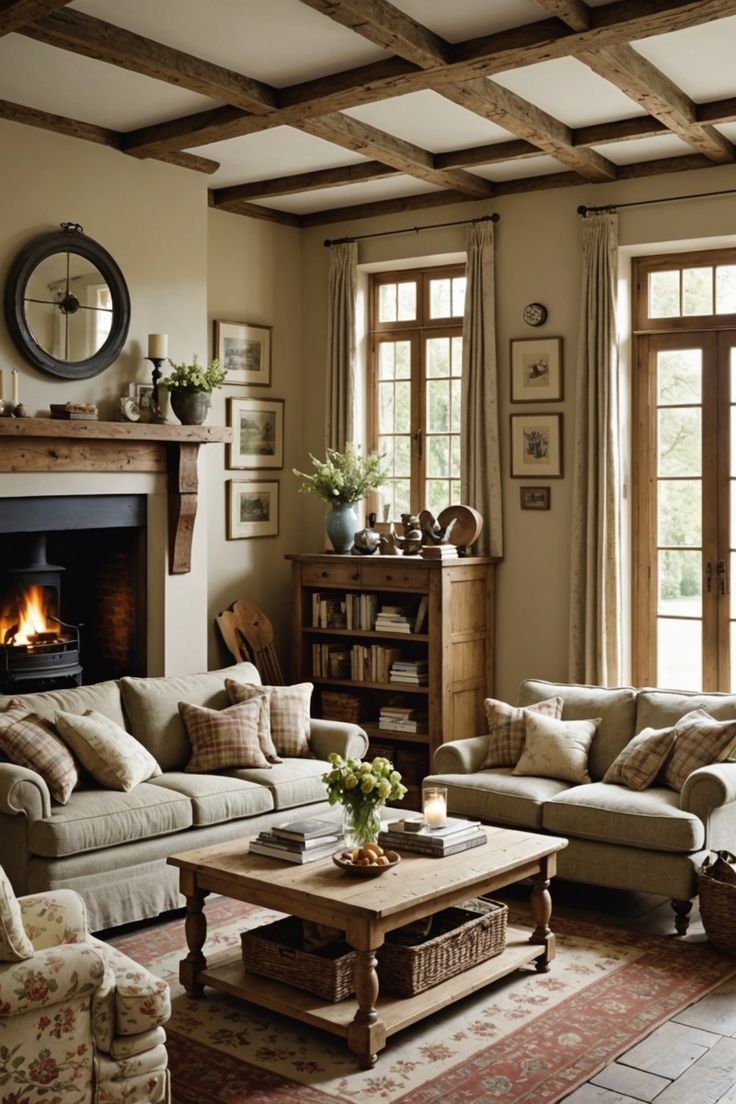
Perfectly aligned décor, crisp fabrics, polished surfaces – they may look beautiful in a catalog, but they rarely capture the feeling of home. What truly awakens a space is not flawlessness, but character. It’s the weathered wood with soft characters, the sun-faded fabrics, the creases on a well-used armchair all the little signs that life has been lived there.
At HayGood Manor, we believe that the most soulful homes are the ones that wear their stories proudly. Imperfect textures don’t diminish the beauty of a room; they deepen it. They remind us that a home is not a showroom. It’s a place filled with memories, moments, comfort, and heart.
Introduction
Walk into a room with weathered wood floors, a vintage quilt gently fraying at the edges, or a linen sofa softened by years of use – and instantly, you feel it. Warmth. Familiarity. Presence. These textures seem to whisper stories you didn’t even know you were craving to hear.
In a world obsessed with glossy finishes and “picture-perfect” interiors, choosing imperfect textures can feel almost rebellious. But it’s a rebellion grounded in truth: real homes are mean to feel alive.
Imperfect materials hold history, emotion, and soul – three things no brand-new item can ever replicate.
- Imperfect textures tell stories
Weathered wood holds memories in every grain. A scratch from moving day. A mark from a child’s toy. A warm patina formed over years of sunlight and touch.
Similarly, worn fabrics – cotton softened by countless washes, linen gently creased, wool blankets shaped by many winter nights – carry quiet stories of the lives lived around them.
These imperfections become part of your home’s narrative. They don’t distract; they invite. They don’t date the home; they enrich it.
A flawless piece may impress, but a worn piece comforts.
- Texture creates emotional warmth
Smooth, polished surfaces can sometimes feel cold or distant. But textures with depth – rough, soft, uneven, or timeworn – make a space feel instantly warmer.
Why?
Because humans naturally connect with materials that remind them of nature and touch:
- Raw wood
- Stone
- Faded textiles
- Natural fibres like jute, linen, and cotton
- Handmade pottery
These materials appeal to our senses. They calm the mind, soften the atmosphere, and make a room feel like a place to relax, not perform.
They carry the softness of real living – something perfection can never offer.
- Imperfect pieces break the stiffness of modern interiors
Modern design can lean clean, sleek, and sharp – sometimes too sharp. Introducing weathered or worn elements acts like a soothing counterbalance.
A vintage wooden stool against a crisp white wall
A faded kilim rug beneath contemporary furniture
A frayed-edge throw on a modern sectional
These contrasts breathe life into the room.
Imperfection adds dimension. Dimension adds soul.
- Worn fabrics make spaces feel lived in – and welcoming
There’s a reason old quilts, vintage throws, or gently faded upholstery feel comforting. They signal softness, warmth, and safety.
Worn fabrics tell guests: “You’re welcome. Make yourself comfortable.”
No one hesitates to sit on a well-loved sofa or curl up in a slightly faded armchair. In fact, they gravitate toward them. They feel more approachable, more human, more forgiving.
And that’s the secret to a warm home – not perfection, but hospitality.
- Imperfect textures connect us to craftsmanship
Weathered wood and worn fabrics often hint at craftsmanship – pieces built or stitched by hand, not mass-produced in a factory. This connection to human touch adds meaning.
A handmade table grows more beautiful with age.
A handwoven blanket becomes softer with each season.
A ceramic mug shows the artist’s fingerprints in every curve.
These items honor time, skill, and human effort. Their imperfections aren’t flaws – they’re signatures.
- Imperfection teaches us to appreciate the beauty of aging
In our homes, and in our lives, aging is inevitable. But in décor – just like in nature – aging can be beautiful.
Weathering adds character.
Softening adds charm.
Wear adds wisdom.
Embracing imperfect textures teaches us to celebrate growth, change, and history – instead of hiding them.
Conclusion
A home filled with weathered wood and worn fabrics doesn’t feel old – it feels alive. These textures breathe personality into the space, offering warmth, comfort, and connection in ways new objects never can.
Perfection may photograph well, but imperfection lives well.
At HayGood Manor, we celebrate homes that reveal their stories in every scratch, stitch, and softened edge. Because when a space carries traces of the life lived within it, it becomes more than decorated – it becomes deeply, beautifully human.